Facebook Marketing Strategy for Business Growth

Introduction
In today’s digital landscape, social media has become one of the most powerful tools for business growth. Among many platforms available, Facebook continues to play a major role in helping businesses connect with their audiences. With billions of active users around the world, it offers companies the opportunity to reach potential customers, promote their products, and build long-term relationships with their communities.
However, simply having a presence on Facebook is not enough. Businesses need a clear and well-planned Facebook marketing strategy to stand out in a highly competitive environment. From creating engaging content to analyzing performance and managing customer interactions, every step plays an important role in achieving success.
In this guide, we will explore what Facebook marketing is, why it matters for businesses, and how you can build an effective strategy to support your brand’s long-term growth.
Table of Contents
What is Facebook Marketing?
Facebook marketing refers to the process of promoting a business, product, or service using the tools and features available on Facebook. It includes both organic strategies and paid advertising campaigns designed to reach and engage potential customers.
Businesses usually use Facebook marketing in several ways. One of the most common approaches is creating and managing a business page where companies can share updates, post content, and communicate with their followers. Through consistent posting and meaningful interactions, brands can build trust and establish a strong online presence.
Another important element of Facebook marketing is advertising. Facebook’s advertising platform, developed by Meta Platforms, allows businesses to target very specific audiences based on interests, demographics, behaviors, and location. This level of targeting helps companies reach people who are more likely to be interested in their products or services.
Overall, Facebook marketing is not just about posting content. It is about building a community, sharing valuable information, and creating meaningful interactions that encourage people to connect with your brand.
Benefits of Facebook Marketing Strategy for Your Business
Using Facebook as part of your marketing strategy offers many advantages for businesses of all sizes. Whether you run a small startup or a large company, Facebook provides tools that can help you grow your brand and reach new customers.
Access to a large audience
One of the biggest benefits of Facebook marketing is its massive user base. Millions of people use the platform every day to communicate, discover new content, and interact with brands. This gives businesses the opportunity to reach potential customers from different locations, backgrounds, and interests.
Cost-effective marketing
Compared with traditional advertising methods such as television or print media, Facebook marketing is relatively affordable. Businesses can start promoting their products with a small budget and gradually increase their investment as they see results.
Strong customer engagement
Facebook makes it easy for businesses to communicate directly with their audience. Customers can leave comments, send messages, or react to posts. These interactions help businesses understand customer preferences and build stronger relationships with their audience.
Improved brand awareness
Consistent posting and engaging content help increase brand visibility. Over time, audiences become more familiar with your brand, which can lead to higher trust and increased loyalty.
How to Use Facebook Marketing
Businesses can use Facebook in several ways to promote their brand and build stronger relationships with their audience. Instead of relying on only one tactic, companies should combine different marketing approaches to achieve better results.
Create a Professional Facebook Page
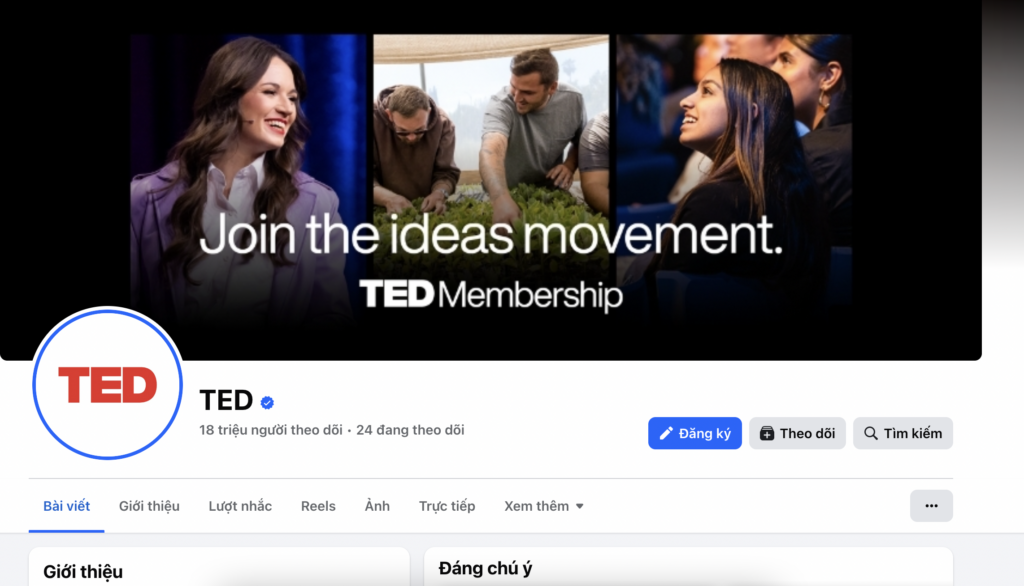
A Facebook Page serves as the main online presence for your business on the platform. It allows customers to learn more about your brand, explore your products or services, and contact you easily.
When creating a business page, it is important to provide complete and accurate information, including your company description, contact details, and website link. A professional profile photo and cover image can also help make your brand look more trustworthy and recognizable.
A well-organized Facebook Page acts as the foundation of your entire Facebook marketing strategy.
Share Valuable and Engaging Content
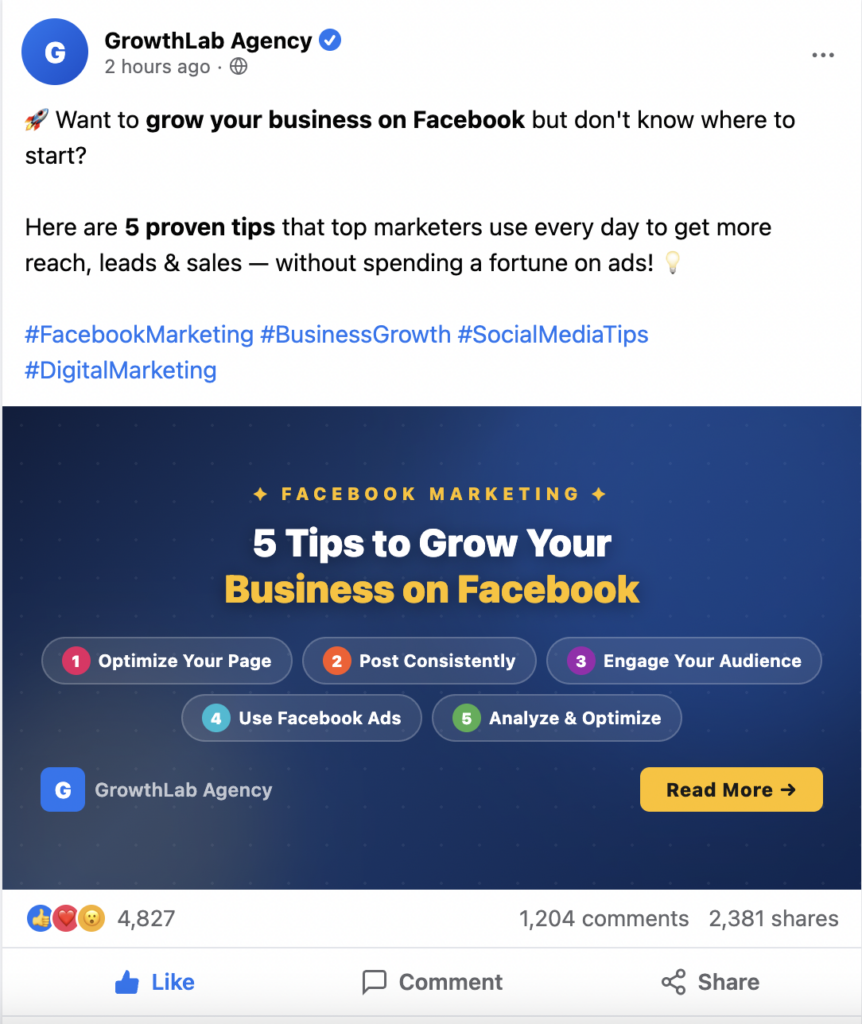
Content plays a central role in successful Facebook marketing. Businesses should focus on creating content that provides value to their audience rather than only promoting products.
For example, brands can share helpful tips, industry insights, entertaining videos, or behind-the-scenes content. These types of posts can attract attention and encourage users to like, comment, and share.
When audiences find your content useful or interesting, they are more likely to follow your page and engage with your brand regularly.
Use Facebook Ads to Expand Your Reach
Organic content alone may not always reach a large audience. This is why many businesses also use paid advertising on Facebook.
Facebook Ads allow businesses to target specific audiences based on factors such as age, location, interests, and online behavior. This makes advertising more efficient because your content is shown to people who are more likely to be interested in your products.
Even a small advertising budget can produce strong results when campaigns are well planned.
Engage and Communicate with Your Audience
Successful Facebook marketing is not just about posting content. It also involves building relationships with your audience.
Businesses should actively respond to comments, answer customer questions, and reply to messages in a timely manner. This level of interaction shows that your brand values its customers and cares about their experience.
Engaging with your audience regularly can strengthen customer trust and encourage long-term loyalty.
Types of Facebook Posts to Use in Your Strategy
Creating a successful Facebook marketing strategy requires more than just posting regularly. To keep your audience engaged and interested, businesses need to use a variety of content types. Each type of post serves a different purpose, from building awareness to encouraging interaction and driving conversions.
By combining multiple formats, businesses can create a more dynamic and effective content strategy on Facebook.
Image Posts
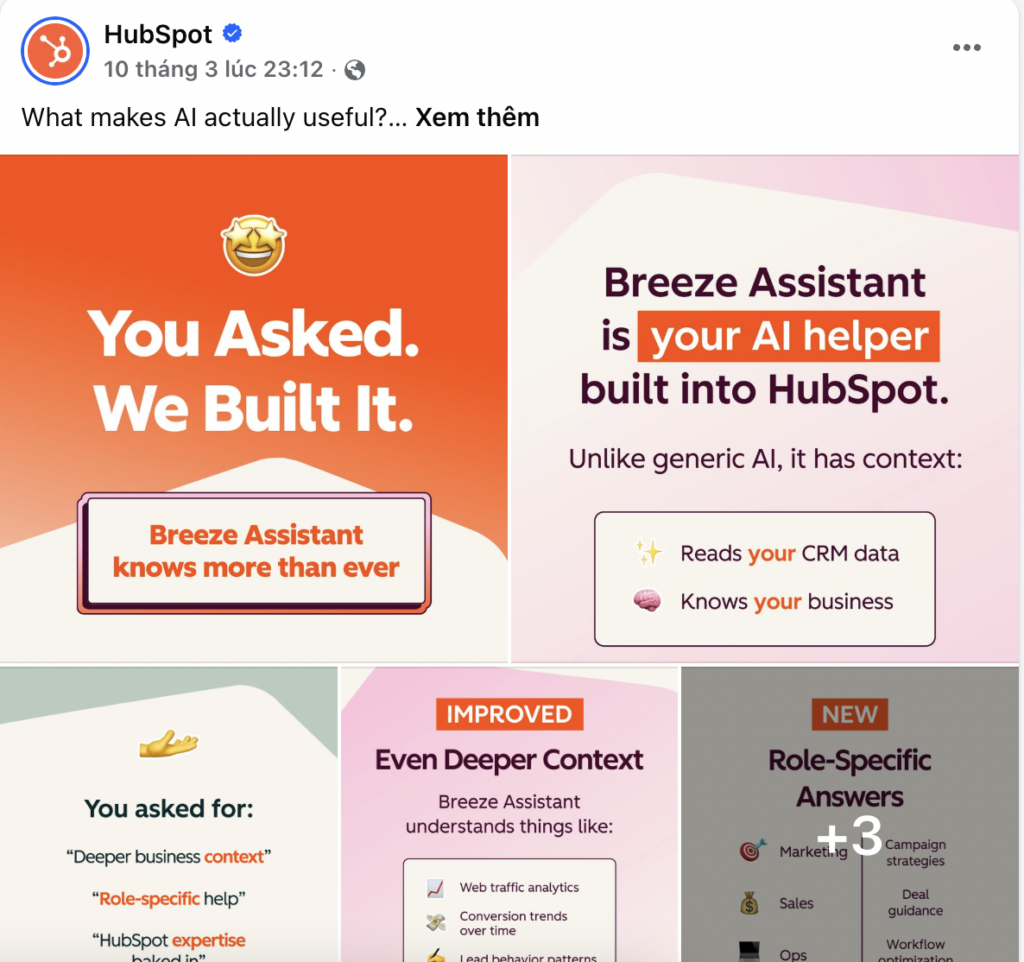
Image posts are one of the most commonly used types of content on Facebook. They are simple, quick to create, and highly effective in capturing attention as users scroll through their feed.
High-quality images can help businesses showcase their products, highlight promotions, or share brand-related visuals. For example, companies often use images to present new products, customer testimonials, or behind-the-scenes moments.
To improve performance, images should be clear, visually appealing, and relevant to the target audience. Adding short captions or calls to action can also encourage users to engage with the post.
Video Posts

Video content has become one of the most powerful tools in social media marketing. Compared to other formats, videos often generate higher engagement because they are more dynamic and easier to consume.
Businesses can use video posts in many ways, such as:
- product demonstrations
- tutorials or how-to guides
- brand storytelling
- customer reviews
Short videos are especially effective, as they quickly deliver information and hold the viewer’s attention. Live videos can also be used to interact with the audience in real time, creating a more personal connection.
Text Posts with Links

Instead of using plain text posts, businesses can increase engagement by combining text with links to videos, articles, or external resources. This type of content not only shares information but also encourages users to take action.
For example, brands can write a short caption and attach a link to:
- a tutorial video
- a blog post
- a product page
- a landing page
This approach helps drive traffic beyond Facebook while still keeping users interested in the content.
To make this type of post more effective, the caption should be clear and engaging. Instead of simply adding a link, businesses should explain why the content is useful and what value the audience will get from clicking it.
Stories
Stories are short, temporary pieces of content that disappear after 24 hours. They appear at the top of the Facebook interface, making them highly visible to users.
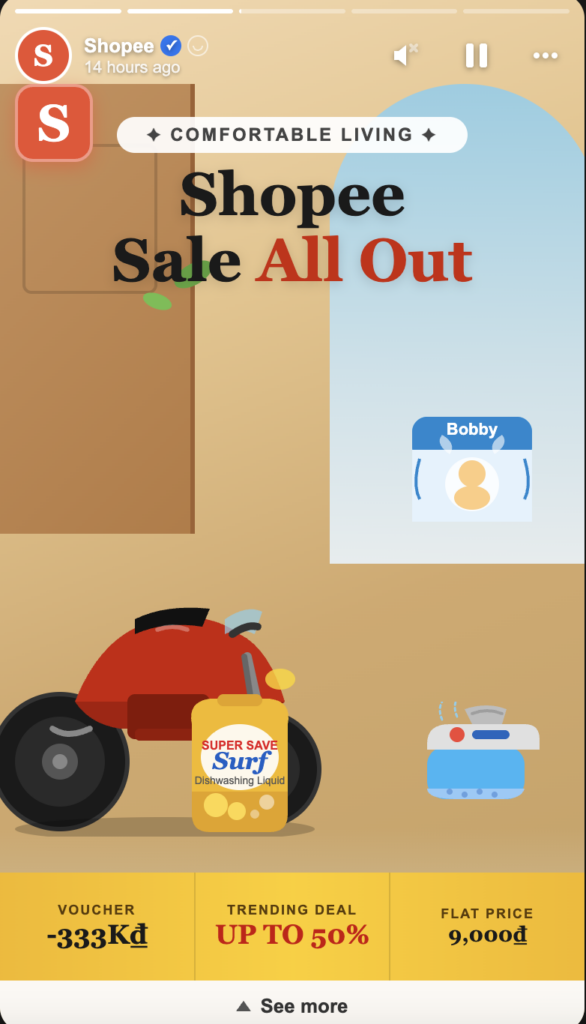
Stories are ideal for sharing:
- daily updates
- limited-time promotions
- behind-the-scenes content
- quick announcements
Because of their short lifespan, Stories feel more casual and authentic. This makes them a great way for businesses to stay connected with their audience on a daily basis without overloading their main feed.
How to Create a Facebook Marketing Strategy
Building an effective Facebook marketing strategy is not just about posting content randomly. It requires a clear plan, a deep understanding of your audience, and consistent optimization over time.
When used correctly, Facebook can become a powerful channel to increase brand awareness, generate leads, and drive business growth. Below are the key steps to help you create a strong and sustainable strategy.
Define Clear Goals for Your Facebook Marketing Strategy
The first step in any marketing strategy is setting clear and measurable goals. Without clear objectives, it is difficult to evaluate whether your efforts are successful.
Your goals may include:
- increasing brand awareness
- driving website traffic
- generating leads
- boosting sales
- building a loyal community
It is important to focus on specific and realistic goals. For example, instead of saying “grow my page,” you could aim to “increase page followers by 20% in three months.”
Clear goals will guide all your content and marketing decisions.
Understand Your Target Audience
Knowing your audience is essential for creating content that truly connects with them. Businesses should identify who their ideal customers are, including their interests, behaviors, and needs.
You should consider:
- age and gender
- location
- interests and hobbies
- online behavior
When you understand your audience well, you can create content that feels relevant and valuable, which leads to higher engagement and better results.
Build a Content Plan for Facebook Marketing Strategy
A successful Facebook marketing strategy requires consistency. Instead of posting randomly, businesses should develop a structured content plan.
This includes:
- deciding how often to post
- choosing content types (images, videos, stories, etc.)
- planning topics in advance
A content calendar can help you stay organized and ensure that your posts are aligned with your goals. It also helps maintain a balance between informative, entertaining, and promotional content.
Optimize Your Posting Schedule
Timing plays an important role in how well your content performs. Posting at the right time increases the chances that your audience will see and interact with your content.
Although there is no universal “best time” to post, businesses should analyze when their audience is most active. Testing different posting times and tracking performance can help identify the most effective schedule.
Consistency is also key. Posting regularly helps keep your brand visible and maintains audience interest.
Use Facebook Ads Strategically
Organic reach on Facebook can be limited, which is why paid advertising is an important part of many strategies.
Facebook Ads allow businesses to:
- reach a larger audience
- target specific customer segments
- promote products or services effectively
To get the best results, businesses should start with a clear objective for each campaign, such as increasing traffic or generating leads. Testing different ad formats and audiences can also help improve performance over time.
Engage With Your Audience
Engagement is one of the most important factors in Facebook marketing. It is not enough to simply post content—businesses must also interact with their audience.
This includes:
- replying to comments
- answering messages
- encouraging discussions
Active engagement helps build trust and strengthens the relationship between the brand and its customers. Over time, this can lead to higher loyalty and better long-term results.
Track Performance and Improve Your Facebook Marketing Strategy
No marketing strategy is complete without measurement and improvement. Businesses should regularly track their performance to understand what is working and what is not.
Important metrics to monitor include:
- reach
- engagement (likes, comments, shares)
- click-through rate
- conversions
By analyzing these metrics, businesses can adjust their strategy, improve their content, and achieve better results over time.
4 Facebook Marketing Tools to Optimize Your Facebook Marketing Strategy
Facebook offers a wide range of both native and third-party tools to support businesses in managing and improving their marketing efforts. Choosing the right tools can help you save time, analyze performance, and optimize your overall Facebook marketing strategy.
Below are four powerful tools that can help you manage your campaigns more effectively.
Sprout Social
Sprout Social is an all-in-one social media management platform designed to help businesses plan, publish, and analyze their content more efficiently.
You can use it to schedule posts, manage multiple social media accounts, and track campaign performance through easy-to-use dashboards. It provides detailed insights into metrics such as audience growth, engagement, and reach, helping you understand what content works best.
One of its most valuable features is social listening, which allows you to discover trending topics and better understand your audience’s interests. This makes it easier to adjust your strategy and create content that truly connects with your target audience.
👉 Official link: https://sproutsocial.com/
Creator Studio for Facebook
Creator Studio is a native tool provided by Facebook that helps businesses manage content and track performance directly on the platform.
With this tool, you can schedule posts, monitor engagement, and analyze how your content performs over time. It also integrates with Instagram, allowing you to manage both platforms in one place.
Creator Studio is especially useful for small businesses or beginners who want a free and simple tool to manage their content. However, it is mainly limited to Facebook and Instagram, which may not be ideal for managing multiple platforms.
👉 Official link: https://business.facebook.com/creatorstudio/
Facebook Commerce Manager
Facebook Commerce Manager is designed for businesses that want to sell products directly on Facebook and Instagram.
It allows you to create product catalogs, organize collections, and build an online storefront on social media. This makes it easier for customers to browse and purchase products without leaving the platform.
In addition, the tool helps you manage inventory, track orders, and handle customer service, making it a complete solution for social commerce.
👉 Official link: https://business.facebook.com/commerce_manager/
Facebook Ads Library
Facebook Ads Library is a powerful research tool that allows you to explore ads currently running across Facebook and other Meta platforms.
By using this tool, businesses can analyze competitors’ advertising strategies, discover trending campaigns, and get inspiration for their own ads. You can see details such as ad creatives, messaging, and campaign duration.
This tool is especially useful during the planning stage, as it helps you understand what works in your industry and how to make your campaigns stand out.
👉 Official link: https://www.facebook.com/ads/library/
Manage Your Facebook Pages and Messenger Conversations More Effectively
Managing customer communication is an important part of Facebook marketing. Customers often contact businesses through comments or direct messages to ask questions or request support.
Responding quickly and professionally can improve customer satisfaction and strengthen your brand reputation. Businesses that actively engage with their audience are more likely to build trust and long-term relationships with customers.
Using automation tools and messaging features can also help manage a large number of conversations more efficiently, ensuring that customers receive timely responses.
Facebook Marketing FAQs
Is Facebook marketing still effective today?
Yes, Facebook marketing remains highly effective. Despite the rise of other social media platforms, Facebook continues to have a large global audience and powerful advertising tools.
Do businesses need to run ads on Facebook?
Running ads is not mandatory, but it can significantly increase your reach. Many businesses combine organic content with paid advertising to achieve better results.
How often should businesses post on Facebook?
Most marketing experts recommend posting three to five times per week. However, the ideal posting frequency depends on your audience and content strategy.
Conclusion
A well-planned Facebook marketing strategy can play a major role in business growth. By understanding your audience, creating valuable content, and using the right tools, businesses can build a strong presence on Facebook and connect with their customers more effectively.
Success on Facebook does not happen overnight. It requires consistency, creativity, and continuous improvement. However, with the right strategy and dedication, businesses can use Facebook as a powerful platform to increase brand awareness, strengthen customer relationships, and achieve long-term growth.